Energy Efficiency and Your Garage Door: A Complete Guide by Sons Garage Door Repair

The Importance of Energy Efficiency in Your Garage Door
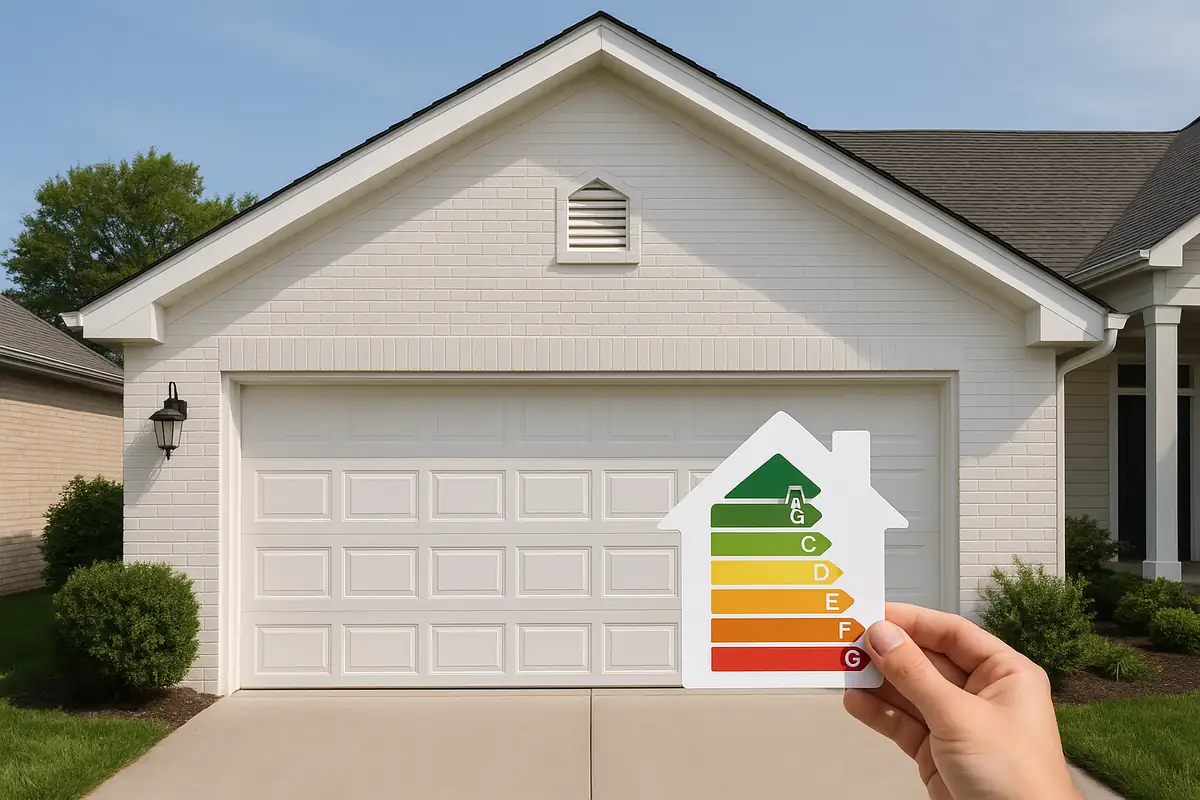
When it comes to home energy efficiency, many homeowners overlook a vital component: the garage door. Surprisingly, your garage door can account for a significant amount of heat loss or gain within your home. In West Hartford, CT, where winters can be harsh and summers humid, understanding how to optimize your garage door for energy efficiency is essential. At Sons Garage Door Repair, we’ve compiled key insights to help you make informed decisions about your garage door's energy performance.
Understanding Garage Door Insulation
Insulation is the first step to improve the energy efficiency of your garage door. Here’s what you need to know:
- Why Insulation Matters: An insulated garage door helps to maintain your home’s temperature by providing a barrier against outdoor elements.
- Types of Insulation: Common insulation materials include polystyrene and polyurethane. Each offers different R-values, affecting thermal resistance.
- Benefits of Insulating: Reduced energy bills, increased comfort in adjacent rooms, and a quieter environment.
Evaluating Your Current Garage Door
Assessing the energy efficiency of your current garage door can help identify areas for improvement:
- Check for Damage: Look for cracks, gaps, and worn-out weather stripping that can compromise insulation.
- Measure the R-Value: Understand the current R-value of your garage door. The higher the R-value, the better the insulation.
- Inspect the Seals: Ensure that windows and doors within the garage door are properly sealed to prevent leaks.
Statistics on Garage Door Energy Loss
According to the U.S. Department of Energy, a poorly insulated garage can lead to a substantial increase in energy costs. Here are some revealing statistics:
- Homes with uninsulated garage doors can lose up to 30% of their heating energy.
- A well-insulated garage door can reduce heating and cooling costs by approximately 10-15%.
Choosing the Right Garage Door for Energy Efficiency
If you’re considering a new garage door, here are key factors to take into account:
- Material: Steel doors with high R-values are excellent for insulation. Fiberglass and wood are good options too.
- Style: Insulated sectional doors are often more efficient than tilt-up doors.
- Manufacturer’s Ratings: Look for ENERGY STAR certified garage doors that meet energy efficiency standards.
Practical Tips for Enhancing Energy Efficiency
Enhancing the energy efficiency of your garage door involves proactive measures:
- Install Weather Stripping: Apply high-quality weather stripping around the edges to eliminate drafts.
- Use Insulation Kits: Consider using insulation kits that can be easily installed on existing doors.
- Seal Cracks and Gaps: Use caulking to seal any visible cracks on the garage door frame.
- Upgrade Your Opener: Modern garage door openers can be more energy-efficient. Look for options with energy-saving features.
Maintaining Your Garage Door for Longevity
Regular maintenance not only prolongs the lifespan of your garage door but also ensures it remains energy efficient. Here are maintenance tips:
- Routine Checks: Inspect your garage door every few months for signs of wear.
- Lubricate Moving Parts: Keep the hinges, rollers, and tracks lubricated to ensure smooth operation.
- Clean the Door: Regularly clean your garage door to prevent dirt buildup that can affect its insulating properties.
Conclusion: Take Action for Energy Savings
Your garage door can significantly impact your home’s energy efficiency. By understanding insulation, evaluating your current door, and implementing practical upgrades, you can enhance comfort and reduce energy bills. For those in West Hartford, CT, Sons Garage Door Repair is here to assist you with expert advice and professional installation services. Don’t wait—contact us today to explore how you can improve your garage door’s energy efficiency!
Call to Action
Ready to upgrade your garage door for better energy efficiency? Reach out to Sons Garage Door Repair today! We provide top-notch services tailored to the unique needs of West Hartford homeowners.
Explore More Resources
Related Articles
Service Areas
We proudly serve West Hartford, Fernridge Place, Parkville, Asylum Hill, Parkville and more areas.
Our Services
Professional garage door repair, spring repair, opener installation and more. View all services →