How to Reduce Garage Door Noise: Expert Tips from Sons Garage Door Repair in West Hartford, CT

Understanding Garage Door Noise
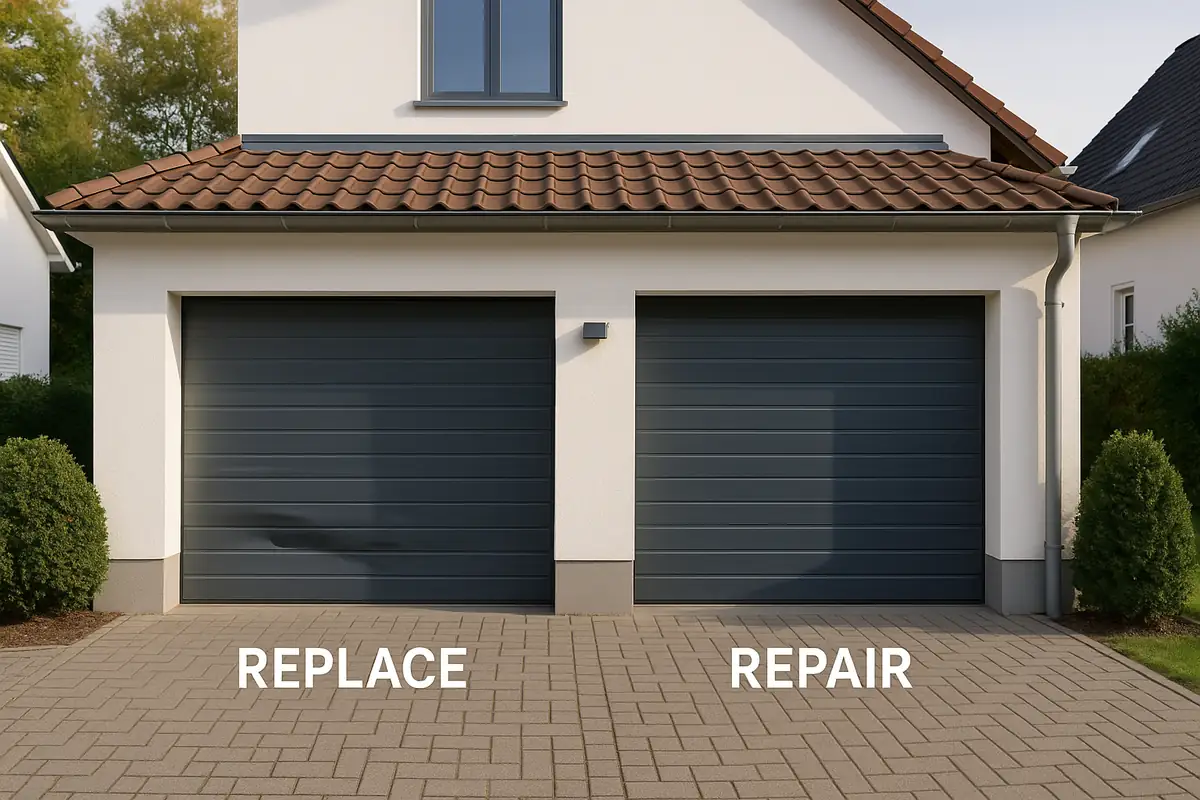
Garage doors are designed to operate smoothly, but over time, they can develop various noises that can be annoying and disruptive. Whether it’s the screeching of metal, rattling parts, or the thud when the door closes, these noises can stem from a number of issues. Understanding what causes these sounds can help you effectively address them and create a quieter environment in your home.
Common Causes of Garage Door Noise
Before you can reduce noise, it’s important to identify what’s causing it. Here are some common culprits:
- Worn-Out Rollers: Old and rusty rollers can make squeaky or grinding noises.
- Loose Hardware: Bolts and screws can become loose over time, causing rattling sounds.
- Lack of Lubrication: Parts that aren’t properly lubricated can create friction, leading to increased noise.
- Misaligned Tracks: If your garage door tracks are misaligned, they can cause the door to bind or create a rough operation sound.
- Spring Issues: Faulty springs can lead to loud bangs and crashes when the door is opened or closed.
Practical Tips to Reduce Garage Door Noise
Now that you know what causes the noise, let’s explore some practical tips to reduce it effectively:
1. Regular Maintenance
Regular maintenance is key to keeping your garage door operating smoothly. Aim to perform inspections at least twice a year. This can include:
- Checking for loose hardware
- Inspecting tracks for alignment
- Cleaning tracks of debris
2. Lubrication is Essential
One of the simplest ways to reduce noise is by keeping all moving parts well-lubricated. Here’s a quick guide on how to lubricate your garage door:
- Use a silicone or lithium grease spray for the rollers, hinges, and tracks.
- Avoid using WD-40 as it can attract dirt and grime, which may worsen the noise.
- Don’t forget the springs; apply a light coat of lubricant to reduce friction.
3. Consider Upgrading Rollers
If your garage door uses older, metal rollers, consider upgrading to nylon rollers. They are:
- Quieter
- More durable
- Require less maintenance
4. Tighten Loose Hardware
Inspect all bolts, nuts, and screws regularly. A simple tightening can significantly reduce rattling noises. Use a socket or wrench to secure loose parts.
5. Install Soundproofing Material
If you want to take a more proactive approach, consider installing soundproofing materials around the garage door frame. Options include:
- Acoustic panels
- Weatherstripping
- Rubber mats beneath the garage door
Statistics on Garage Door Maintenance
According to industry experts, regular maintenance of your garage door can extend its lifespan by up to 30%. Additionally, 90% of noise issues can be resolved with proper lubrication and tightening of hardware. Don’t underestimate the impact of regular check-ups!
When to Call a Professional
While many noise issues can be easily fixed, some may require professional intervention. If you notice:
- A sudden increase in noise level
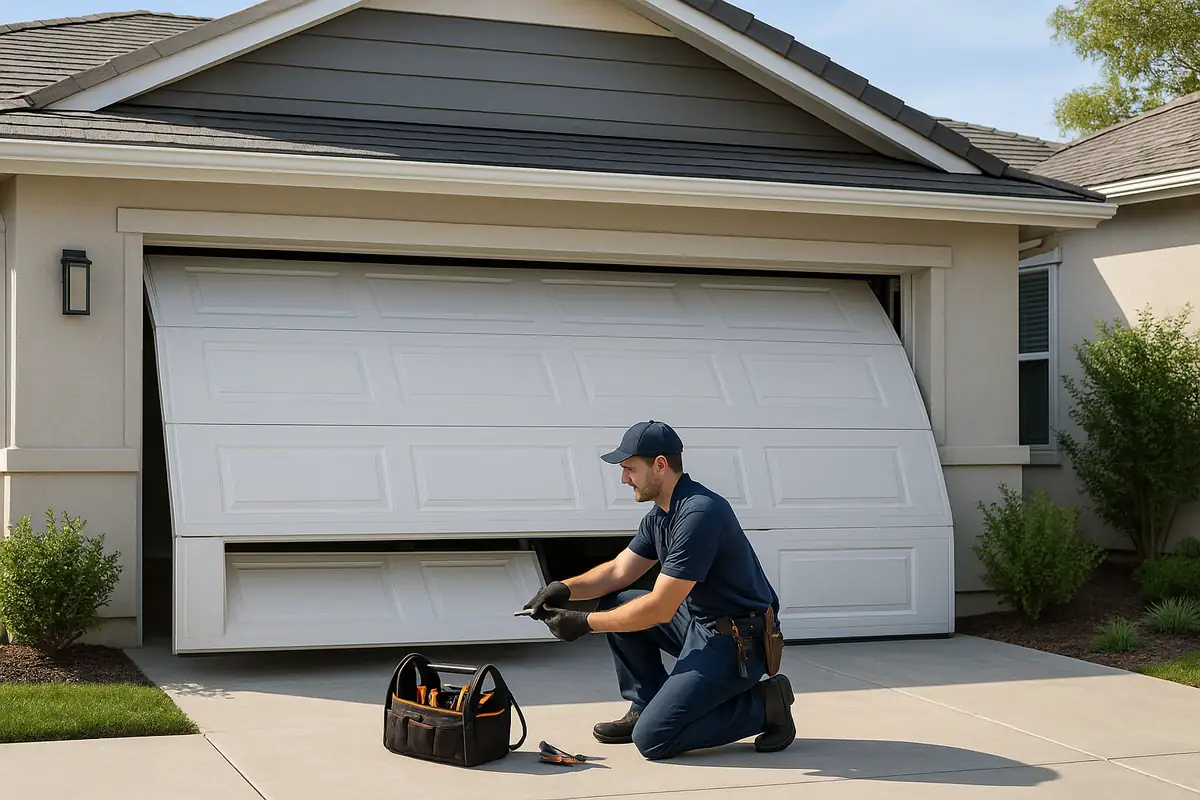
- Difficulty in opening or closing the door
- Any signs of wear on the springs or cables
It’s best to contact a professional service like Sons Garage Door Repair in West Hartford, CT. Our team is experienced in diagnosing and fixing any garage door issues that may be causing unnecessary noise.
Conclusion
Reducing garage door noise is not only about comfort; it’s also about prolonging the life of your garage door system. By implementing the tips mentioned above, you can enjoy a quieter home environment while ensuring your garage door operates smoothly. If you need assistance, don’t hesitate to contact Sons Garage Door Repair in West Hartford, CT. We’re here to help!
Explore More Resources
Related Articles
Service Areas
We proudly serve West Hartford, Fernridge Place, Parkville, Asylum Hill, Parkville and more areas.
Our Services
Professional garage door repair, spring repair, opener installation and more. View all services →