
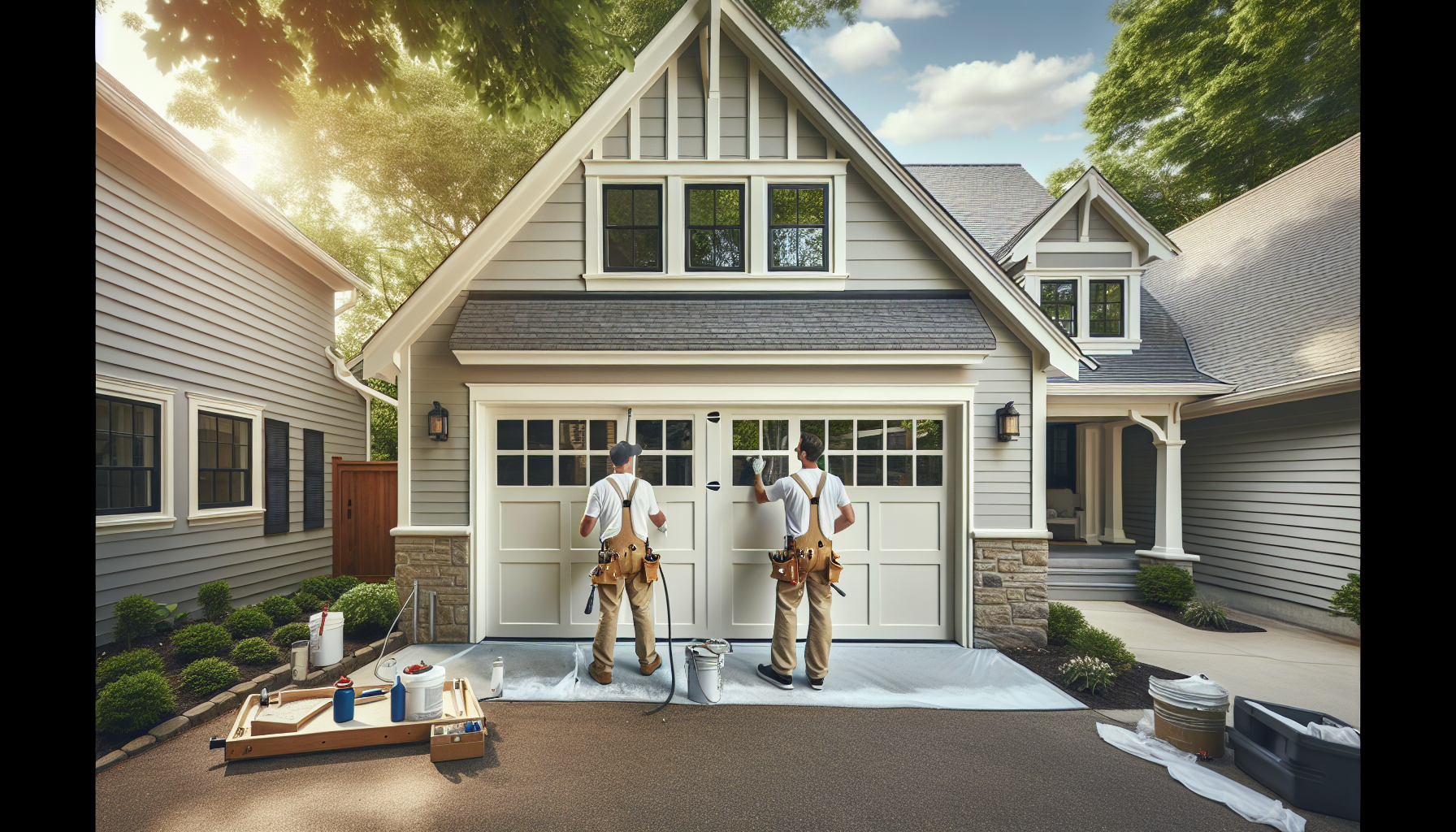
Why Weather-Proof Your Garage Door?
Your garage door is your home's first line of defense against the weather. In West Hartford, CT, where winter snowstorms and summer heat waves can take a toll, weather-proofing your garage door is essential. Not only does it help in improving energy efficiency, but it also extends the lifespan of your garage door and increases your home's curb appeal.
Understanding the Elements That Affect Garage Doors
Garage doors are exposed to various environmental factors that can impact their functionality and durability. Here are some key elements to consider:
- Rain and Moisture: Can lead to rust and corrosion.
- Snow and Ice: Accumulation can cause mechanical issues.
- Sunlight: UV rays can fade and degrade materials over time.
- Wind: Strong winds can cause structural damage.
Tips to Weather-Proof Your Garage Door
Here are some practical tips to ensure your garage door is prepared for seasonal changes:
1. Insulate Your Garage Door
Insulation helps to regulate temperature and reduce energy costs. Look for doors with high R-values, indicating better insulation. Consider these options:
- Polystyrene insulation panels
- Polyurethane foam insulation
2. Weather Stripping
Adding weather stripping around the edges of your garage door can prevent drafts and moisture from entering. Here’s how to install it:
- Choose the right type of weather stripping (vinyl, rubber, or foam).
- Measure the edges of the door.
- Cut the weather stripping to size.
- Apply adhesive or nail it into place.
3. Regular Maintenance Checks
Schedule regular maintenance checks with Sons Garage Door Repair to keep your garage door in top shape. Routine inspections can identify potential leaks, rust, or mechanical failures. Here's a checklist for maintenance:
- Inspect weather stripping for wear and tear.
- Check for rust on metal components.
- Lubricate moving parts.
- Ensure seals are intact and functional.
4. Choose the Right Materials
When selecting a garage door, consider materials that can withstand the local climate. Options include:
- Steel: Durable and resistant to weather damage.
- Fiberglass: Lightweight and resistant to corrosion.
- Wood: Offers aesthetic appeal but requires regular maintenance.
5. Seal Cracks and Gaps
Even small cracks can become problematic during extreme weather. Use caulking to seal any gaps around the garage door frame. Follow these steps:
- Identify all visible cracks and gaps.
- Clean the area of debris.
- Apply caulking evenly, smoothing it out to ensure a complete seal.
The Benefits of Weather-Proofing
Weather-proofing your garage door not only enhances its durability but also brings several other benefits:
- Improved energy efficiency, reducing heating and cooling costs.
- Enhanced security against intruders.
- Increased property value through better curb appeal.
- Protection against moisture damage, preventing mold and mildew build-up.
Statistics to Consider
Did you know that an uninsulated garage door can account for up to 25% of the heat loss in your home during winter? According to the U.S. Department of Energy, proper insulation and weather-proofing can save homeowners hundreds of dollars annually on energy bills. Investing in a weather-proof garage door can thus be a financially wise decision.
Conclusion: Secure Your Home Today
Weather-proofing your garage door is more than just a maintenance task; it’s an investment in your home’s safety, efficiency, and longevity. At Sons Garage Door Repair in West Hartford, CT, we specialize in helping homeowners weather-proof their garage doors effectively. Schedule an appointment today to ensure your garage door stands strong against the elements!